Sheet-pan high-protein dinners are useful because they keep cooking, cleanup, and planning in the same lane. Put everything on one tray, season it well, and dinner starts to feel manageable again. A rimmed baking sheet like this one helps keep vegetables and juices contained, which makes the whole meal easier to move in and out of the oven. The best versions are not fancy. They are reliable, flexible, and easy to repeat during a busy week.
Why sheet-pan dinners work
One-pan meals are good at reducing friction. Protein and vegetables cook together, the oven does most of the work, and cleanup stays lighter than using three pots. They are especially practical for weeknights when you want something warm without committing to a full cooking session.
Easy protein options for a sheet pan
- Chicken thighs or chicken breast
- Turkey sausage
- Salmon portions
- Tofu or chickpeas for a meatless version
- Pre-cooked meatballs added later in the bake if needed
The easiest vegetables are the ones that roast without much babysitting: broccoli, peppers, onions, green beans, carrots, potatoes, and zucchini depending on timing.
How to keep sheet-pan dinners from turning bland
Use stronger seasoning than you think you need, especially for vegetables. Lemon, garlic, smoked paprika, ranch-style seasoning, taco seasoning, Dijon, pesto, or simple herb blends can do a lot of work here. A finishing sauce or yogurt dip after baking also helps.
Good combinations to repeat
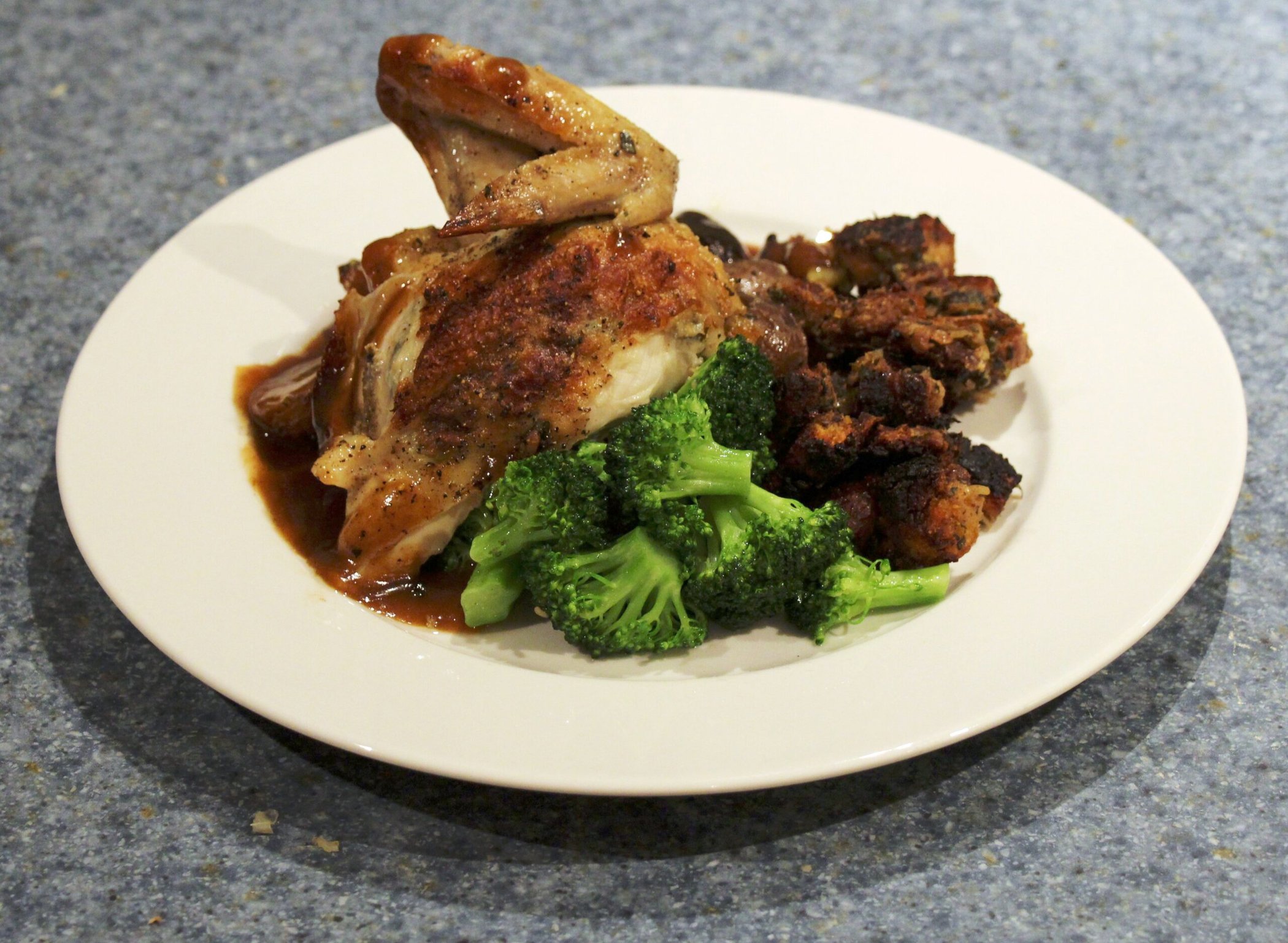
- Chicken, potatoes, and broccoli
- Turkey sausage, peppers, and onions
- Salmon, green beans, and baby potatoes
- Chickpeas, cauliflower, and carrots with warm spices
Meal prep and budget notes
Sheet-pan meals are easy to portion for leftovers, which makes them strong for lunch the next day. They are also friendly to sale shopping because you can swap in whichever protein or vegetable is priced better that week and keep the same basic structure.
If you want even less cleanup, line the pan well and keep sauces for the end instead of baking everything under a wet marinade.
The sheet-pan dinner formula that works on busy nights
The most reliable sheet-pan dinners follow a simple pattern: one protein, one or two vegetables, a seasoning blend, and a side that can cook separately or share the pan. This keeps dinner flexible without turning it into a full recipe project every night.
- Pick a protein that cooks in a predictable window: chicken thighs, chicken breast pieces, salmon fillets, shrimp, tofu, turkey meatballs, chickpeas, or sausages.
- Choose vegetables with a similar cook time, or cut firm vegetables smaller so everything finishes together.
- Season generously before cooking, then finish with something fresh like lemon, herbs, yogurt sauce, salsa, pesto, or a drizzle of tahini.
For example, chicken thighs work well with potatoes and carrots because everything can handle a longer roast. Salmon is better with asparagus, green beans, zucchini, or broccoli because it cooks faster. Tofu and chickpeas do well with peppers, onions, cauliflower, and sweet potatoes when the pieces are spread out instead of piled together.
Step-by-step method
Heat the oven to 400°F to 425°F, depending on how quickly your ingredients cook. Line the pan if you want easier cleanup, then add the slower-cooking vegetables first. Give dense vegetables like potatoes, carrots, squash, or cauliflower a head start of 10 to 15 minutes before adding quick proteins.
Next, add the protein in an even layer. Leave space between pieces so they roast instead of steam. Use a thermometer for meat and fish when possible: it is the simplest way to keep lean proteins from drying out. When everything is cooked, add a fresh finish so the meal tastes bright instead of flat.
Specific dinner ideas
- Chicken shawarma-style pieces with peppers, onions, and a yogurt cucumber sauce.
- Lemon-herb chicken with Brussels sprouts, carrots, or bell peppers when you want a simple tray that still feels balanced.
- Salmon with green beans, baby potatoes, lemon, and dill yogurt.
- Tofu and chickpeas with cauliflower, sweet potatoes, and tahini sauce.
- Chicken thighs with sweet potatoes and red onions for a heartier colder-weather pan.
- Turkey meatballs with zucchini, cherry tomatoes, and pita on the side.
- Shrimp with asparagus, tomatoes, zucchini, or peppers when dinner needs to cook quickly.
- Shrimp taco sheet pan with peppers, onions, tortillas, and cabbage slaw.
These are starting points, not strict rules. If the protein is already cooked, add it near the end just to warm through. If the vegetables are delicate, add them later or keep them on a separate pan.
Storage, reheating, and protein swaps
Store leftovers in airtight containers for 3 to 4 days. Keep sauces separate when possible, especially yogurt-based sauces, pesto, salsa, or lemony dressings. Reheat most sheet-pan meals in a toaster oven, oven, skillet, or air fryer so the edges come back to life; the microwave works too, but the texture will be softer.
Easy protein swaps include chickpeas for chicken, tofu for salmon, turkey meatballs for sausage, shrimp for chicken pieces, or white beans added near the end of roasting. If you swap in a faster-cooking protein, add it later so it does not overcook.
FAQ
Can I cook everything on one pan?
Usually yes, but the timing matters. Give dense vegetables a head start and add quick proteins later when needed.
What temperature is best for sheet-pan dinners?
Most combinations work well at 400°F to 425°F. Use the lower end for delicate proteins and the higher end for crispier vegetables.
How do I keep sheet-pan meals from getting watery?
Do not overcrowd the pan. Pat proteins dry, spread vegetables in a single layer, and use two pans if the ingredients are piled up.
Simple meals, a grocery list, and prep tips for weeknight cooking.