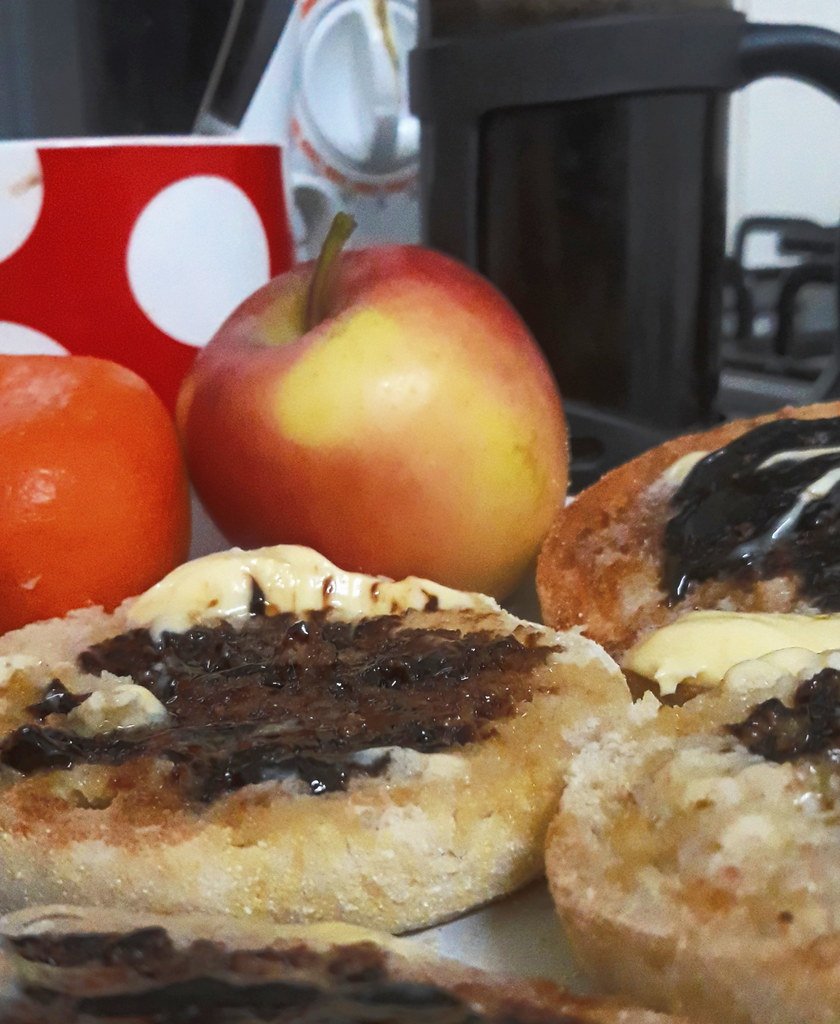
School mornings don’t leave room for a real breakfast production. These four combos take about 5 minutes, need no real cooking beyond a toaster or a quick egg, and give kids (and you) actual protein before heading out the door.
The 4 combos
Peanut butter banana English muffin — ~15g protein
Toast a whole wheat English muffin, spread with 2 tablespoons of peanut butter, top with banana slices.
Egg and cheese English muffin sandwich — ~20g protein
One fried or scrambled egg with a slice of cheese on a toasted English muffin.
Greek yogurt parfait cup — ~15g protein
Greek yogurt layered with granola and berries in a to-go cup.
For the parfait option, these 16-ounce glass jars with lids provide individual containers for preparing the yogurt and fruit ahead of the school morning.
As an Amazon Associate I earn from qualifying purchases.
Cottage cheese toast — ~17g protein
Whole grain toast topped with cottage cheese and fruit.
Make-ahead and packing guide for all four breakfasts
A little setup turns each combination into a realistic weekday option. Choose portions and bite sizes that match the child’s age, appetite, and usual eating skills. Younger children may need an adult to slice fruit, spread toppings, or open containers, while older children can assemble labeled ingredients from one refrigerator bin. When breakfast leaves the house, use a leak-resistant container and an insulated lunch bag with a cold pack for foods that need to stay chilled.
Peanut butter banana English muffin
Make ahead: Split the muffin the night before and keep it covered at room temperature. In the morning, toast it and add the spread. Pack the banana whole for an older child, or slice it just before serving to limit browning. For a softer texture, leave the muffin untoasted or warm it briefly, then cut it into strips or small squares that are easy to hold.
Swaps, transport, and cleanup: For a peanut-free version, use sunflower seed butter or another allowed spread, checking the package and the school’s allergy rules. Applesauce or thinly sliced soft pear can replace banana when a different texture is preferred. Wrap the assembled muffin in parchment or place it in a small container; a washable spreader and a damp cloth make sticky counters quicker to handle.
Egg and cheese English muffin sandwich
Make ahead: Cook the egg in advance, cool it, and refrigerate it in a covered container. Assemble and reheat the sandwich in the morning, or pack it cold if that is the child’s preference. A folded scrambled egg usually stays inside the muffin more neatly than loose curds. For younger eaters, cut the sandwich into halves, strips, or bite-size pieces after warming.
Swaps, transport, and cleanup: Use a dairy-free cheese alternative if needed, and confirm ingredient labels for the household’s allergens. A soft tortilla or plain toast can replace the English muffin for children who find it too chewy. Let a hot sandwich cool enough to avoid trapped steam, then wrap it snugly. Cooking the egg in a lightly greased microwave-safe bowl or small pan keeps the number of dishes low.
Greek yogurt parfait cup
Make ahead: Spoon yogurt and fruit into a lidded container the night before, but store granola separately so it stays crisp. Thaw frozen berries in the refrigerator and drain extra liquid before layering. For a smoother texture, mash soft berries into the yogurt; for children who like distinct textures, keep every part in a separate compartment and let them mix it.
Swaps, transport, and cleanup: Plain or flavored dairy-free yogurt can replace Greek yogurt when dairy is avoided; compare labels because ingredients differ. Swap granola for an allergy-appropriate cereal, or omit the crunchy layer. Carry the cup upright in an insulated bag with a cold pack and include a spoon. Mixing directly in the storage container means there is no extra breakfast bowl to wash.
Cottage cheese toast
Make ahead: Portion cottage cheese into a covered container and wash the fruit the night before. Toast the bread in the morning and add the topping immediately if it will be eaten at home. For transport, keep the toast, cottage cheese, and fruit separate to prevent sogginess. Older children can spread and top their own toast; younger children may find small toast squares and finely cut soft fruit easier to manage.
Swaps, transport, and cleanup: Whipped cottage cheese gives a smoother, less lumpy texture. If dairy is not suitable, use an allergy-appropriate creamy spread instead and check its label. Soft berries, mashed peach, or applesauce work when crisp fruit is hard to chew. A divided container keeps wet and dry parts apart, and lining the toaster area with a reusable crumb tray makes the final wipe-down faster.
Notes
- Hard-boil eggs or pre-portion peanut butter and granola on Sunday.
- These work just as well for adults heading to work.
- Rotate through all four so breakfast does not get repetitive.
- Set the grab-and-go pieces together on one fridge shelf so kids can assemble their own breakfast without searching for ingredients.
- If mornings are especially rushed, make the parfait in a lidded jar and keep the granola separate until serving so it stays crunchy.
Related: lunchbox ideas, chicken Caesar bento, turkey chili thermos lunch, and after-school snack boxes.
Frequently Asked Questions
Can these be made the night before?
The yogurt parfait and cottage cheese toast hold up fine overnight. The egg sandwich is best fresh.
What if my kid has a nut allergy?
Swap peanut butter for sunflower seed butter in combo 1.
Is one egg really enough protein?
Paired with cheese and an English muffin, combo 2 reaches about 20g.
Simple meals, a grocery list, and prep tips for weeknight cooking.