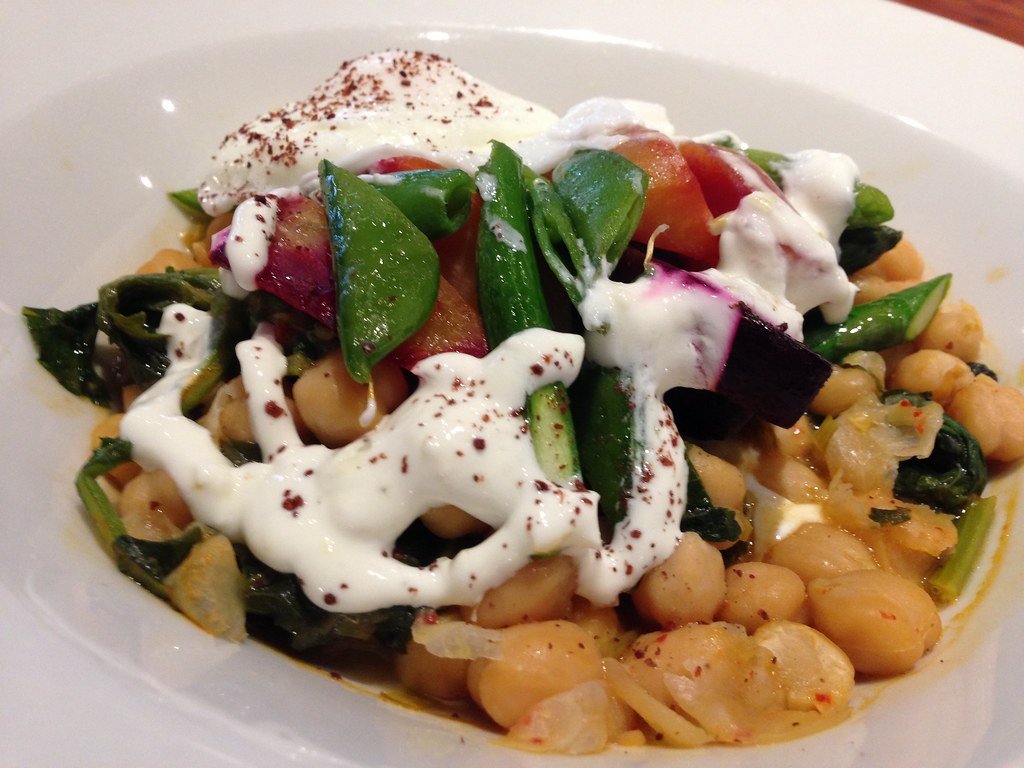
Simple high-protein vegetarian meals work best when they are built around ingredients that are already easy to use: eggs, Greek yogurt, cottage cheese, tofu, tempeh, beans, lentils, cheese, milk, and grains that help round out the meal. The goal is not to make vegetarian eating look complicated. It is to make it practical enough for a normal workweek.
What makes vegetarian meals more filling
A vegetarian meal feels stronger when it has a clear protein anchor instead of relying only on pasta, bread, or roasted vegetables. Beans and lentils help, but texture and overall balance matter too. Add dairy, eggs, tofu, or another structured protein when you can, and the meal becomes much easier to repeat.
Easy high-protein vegetarian meal ideas
- Lentil bowls with roasted vegetables and yogurt sauce
- Egg and cottage cheese breakfast plates
- Bean chili with cheese and Greek yogurt
- Tofu stir fry with rice
- Pasta with white beans, spinach, and a high-protein dairy add-in
How to keep vegetarian meals practical
The easiest approach is to repeat a few protein sources instead of trying to use every vegetarian option in one week. For example, eggs for breakfast, lentils or beans for lunches, and tofu or dairy-based meals for dinners can cover a lot without overcomplicating your groceries.
It also helps to keep sauces simple. A yogurt sauce, tahini dressing, salsa, or pesto can make basic ingredients feel much more complete.
Budget-friendly vegetarian staples
- Eggs
- Beans and lentils
- Greek yogurt
- Cottage cheese
- Tofu
- Oats
- Frozen vegetables
- Rice and potatoes
Meal prep ideas
Batch-cook lentils, rice, roasted vegetables, or tofu once and use them in different meals for a few days. That is usually more sustainable than chasing one elaborate vegetarian recipe after another.
Build vegetarian meals around a protein anchor
Vegetarian meals are easier to plan when you choose the protein first, then build the plate around it. Tofu, tempeh, beans, lentils, chickpeas, edamame, eggs if you eat them, Greek yogurt, cottage cheese, paneer, seitan, and higher-protein pastas can all work. The key is not using vegetables alone and hoping the meal feels complete.
- Tofu rice bowl with broccoli, peanut sauce, and edamame.
- Lentil marinara with pasta and parmesan.
- Chickpea Greek salad pita with yogurt sauce.
- Paneer or tofu tikka bowls with rice and cucumber.
- Black bean quesadillas with salsa and Greek yogurt.
Use flavor shortcuts generously: jarred salsa, curry paste, pesto, tahini sauce, yogurt ranch, lemon dressing, soy-ginger sauce, or taco seasoning. These keep the meals practical without requiring a long ingredient list.
Meal prep and swaps
Prep one protein, one grain, and one sauce, then turn them into several meals. Baked tofu can become a bowl, wrap, salad, or noodle dish. Lentils can become soup, pasta sauce, or taco filling. Chickpeas can be roasted for bowls or mashed into a quick salad.
If a recipe uses meat, the easiest vegetarian swaps are tofu for chicken, lentils for ground meat, chickpeas for tuna-style salads, edamame for extra bowl protein, or Greek yogurt/cottage cheese for creamy sauces.
FAQ
How can vegetarian meals have more protein?
Start with a protein anchor and add supporting protein through yogurt sauces, edamame, beans, cheese, seeds, or higher-protein grains.
Are beans enough for dinner?
They can be, especially with a generous portion and a satisfying base, but pairing beans with yogurt, cheese, tofu, or grains can make the meal feel more complete.
What is the fastest vegetarian protein?
Canned beans, edamame, tofu, Greek yogurt, cottage cheese, eggs, and lentils are usually the quickest.
Building a vegetarian week without repeating the same meal
A simple way to avoid vegetarian fatigue is to rotate the protein anchor by meal type rather than by day: eggs and dairy in the morning, beans or lentils at lunch, and tofu or a heavier bean dish at dinner. That gives you three different textures across the day instead of eating the same chickpea bowl at every meal. Batch-cooked lentils and rice hold up well for 4–5 days refrigerated, and roasted tofu keeps for about 3–4 days if stored separately from any sauce.
Three meals, built out
Lentil bowl with roasted vegetables and yogurt sauce — 1 cup cooked lentils, 1 cup roasted vegetables (zucchini, pepper, onion), and a sauce of 1/3 cup plain Greek yogurt whisked with lemon juice and garlic. Estimated protein: roughly 24g per bowl, mostly from the lentils and yogurt combined.
Egg and cottage cheese breakfast plate — 2 scrambled eggs plus 1/2 cup cottage cheese on the side with fruit or toast. Estimated protein: roughly 25g, split evenly between the eggs and cottage cheese.
Tofu stir-fry with rice — 1 cup pan-seared cubed extra-firm tofu, 1 1/2 cups mixed vegetables, and 3/4 cup cooked rice, tossed with a simple soy-garlic sauce. Estimated protein: roughly 20g per serving, primarily from the tofu.
These are starting points, not fixed recipes — the amounts are there so you can see roughly what a filling vegetarian serving looks like, then adjust based on what’s actually in the fridge.
Simple meals, a grocery list, and prep tips for weeknight cooking.