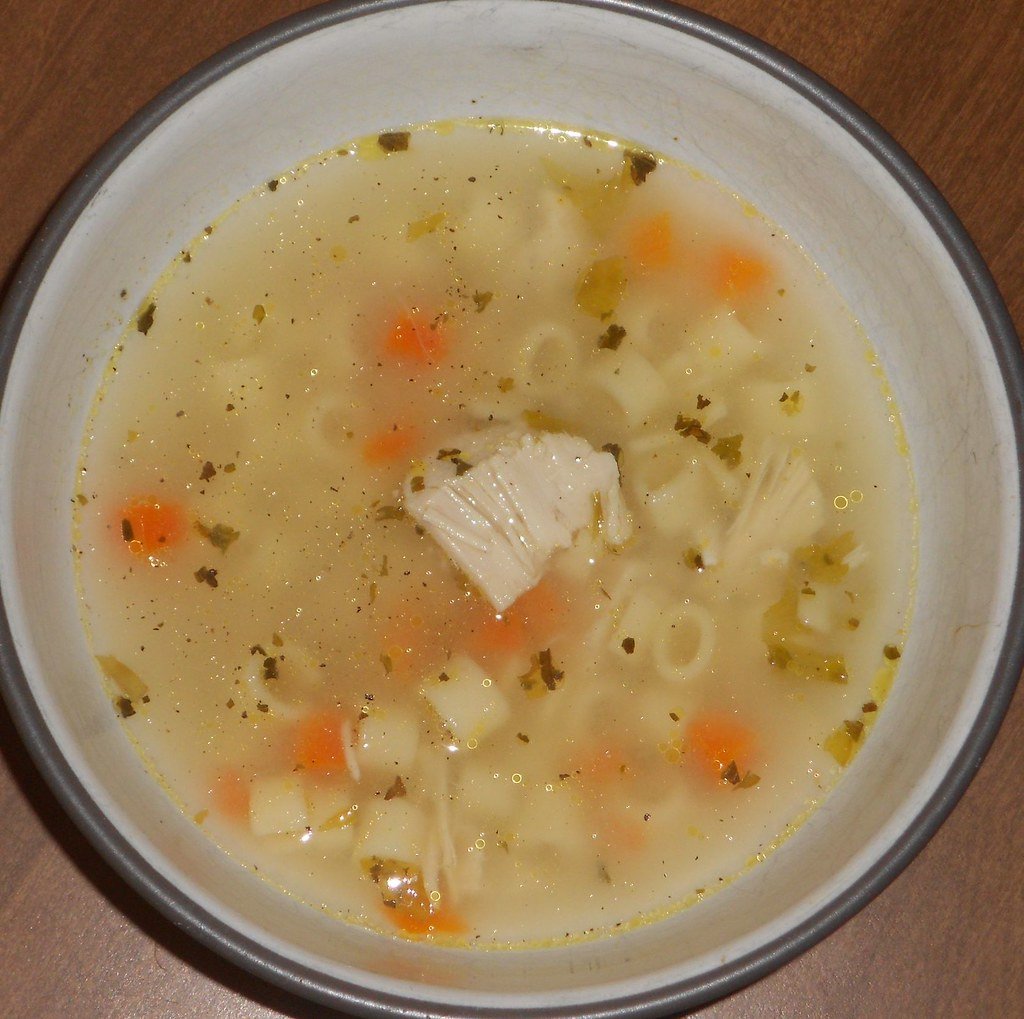
High-protein soups are useful when you want comfort food that still feels filling enough to count as a real meal. The easiest mistake is making soup that is warm but not satisfying. A better soup starts with a clear protein source, enough texture, and a plan for how it will be eaten again as leftovers.
What makes a soup more filling
- Chicken, turkey, beef, beans, lentils, or Greek yogurt toppings
- Vegetables that add body instead of disappearing completely
- Starches like potatoes, pasta, rice, or barley used in balance instead of taking over
If you build the soup around broth alone, it often ends up feeling light in the wrong way. If you build it around protein and structure, it becomes a much more useful dinner or lunch.
Easy high-protein soup ideas
- Chicken and lentil soup
- Turkey chili-style soup with beans
- Beef and vegetable soup with extra beans
- Creamy tomato soup with cottage cheese blended in for more protein
- White bean chicken soup with spinach
Why soups are great for cold days
Soup is one of the easiest answers to cold-weather meal fatigue because it reheats well, scales easily, and makes lunch the next day almost automatic. It also works for low-energy weeks when you want one pot to do most of the work.
Meal prep and storage notes
Portion soups into meal-prep containers while they are cooling so leftovers are ready for fast lunches or freezer portions. If pasta or rice will keep absorbing liquid, store those parts separately when possible. That keeps leftovers from turning heavy or mushy.
Budget-friendly soup strategy
Soup is an easy place to stretch ingredients without making the meal feel skimpy. Beans, lentils, carrots, onions, celery, potatoes, and broth-friendly cuts of meat all help. A practical soup does not need premium ingredients. It needs enough protein and a flavor base that people will actually want again tomorrow.
How to make soup more satisfying
High-protein soups are most useful when they feel like a full meal, not just broth with a few extras. Start with a protein, then add vegetables, beans or grains if they fit, and a finish that brings flavor. Lemon, herbs, chili crisp, yogurt, parmesan, pesto, or a small spoonful of tahini can make a simple pot taste brighter.
- Chicken white bean soup with rosemary.
- Turkey meatball soup with spinach.
- Lentil soup with Greek yogurt on top.
- Salmon chowder with potatoes and dill.
- Tofu miso soup with edamame and rice noodles.
If you are batch cooking, keep pasta, rice, or delicate greens separate until serving. They can absorb broth and lose texture after a night in the fridge.
Freezing and reheating
Most broth-based soups freeze well for 2 to 3 months. Creamy soups can freeze too, but the texture may separate slightly; reheat gently and whisk in a splash of milk, broth, or yogurt if needed. Cool soup quickly in shallow containers before refrigerating or freezing.
Small ways to make soup feel like a full meal
Soup is more satisfying when it has a clear protein anchor and at least one texture contrast. Add shredded chicken, lentils, beans, turkey meatballs, tofu, or Greek-yogurt topping, then finish with herbs, lemon, toasted seeds, crackers, or a side of bread. The finish matters because long-simmered soup can taste flat even when the ingredients are good.
For leftovers, cool soup in shallow containers and freeze only the portions you will not use within a few days. Add pasta, rice, delicate greens, or dairy-based toppings when reheating if those ingredients tend to get soft in storage.
FAQ
What proteins work best in soup?
Chicken, turkey, lean beef, lentils, beans, tofu, salmon, shrimp, and Greek yogurt finishes can all work.
How do I add protein without meat?
Use lentils, beans, tofu, edamame, Greek yogurt, cottage cheese blended into creamy soups, or legume pasta.
Can soup be meal prep?
Yes. Store the broth and sturdy ingredients together, then add pasta, rice, herbs, or greens close to serving.
Which soups freeze well
Bean- and lentil-based soups like the two above freeze well for up to 3 months and reheat without much change in texture. Soups built around potatoes, pasta, rice, or anything with cream or dairy blended in are more likely to change texture in the freezer — potatoes can turn grainy, pasta gets soft, and dairy-based soups can separate slightly when reheated. Those are usually better refrigerated and eaten within 4 days instead of frozen.
Two soups, built out
Chicken and lentil soup — for about 4 servings: 2 cups cooked shredded chicken, 1 cup dry lentils (cooked in the soup), diced carrot, celery, and onion, and 6 cups broth, simmered until the lentils are tender. Estimated protein: roughly 28g per serving.
White bean chicken soup with spinach — for about 4 servings: 2 cups cooked shredded chicken, 2 cans white beans (drained), a few cups of chopped spinach stirred in at the end, and 6 cups broth. Estimated protein: roughly 30g per serving.
Simple meals, a grocery list, and prep tips for weeknight cooking.