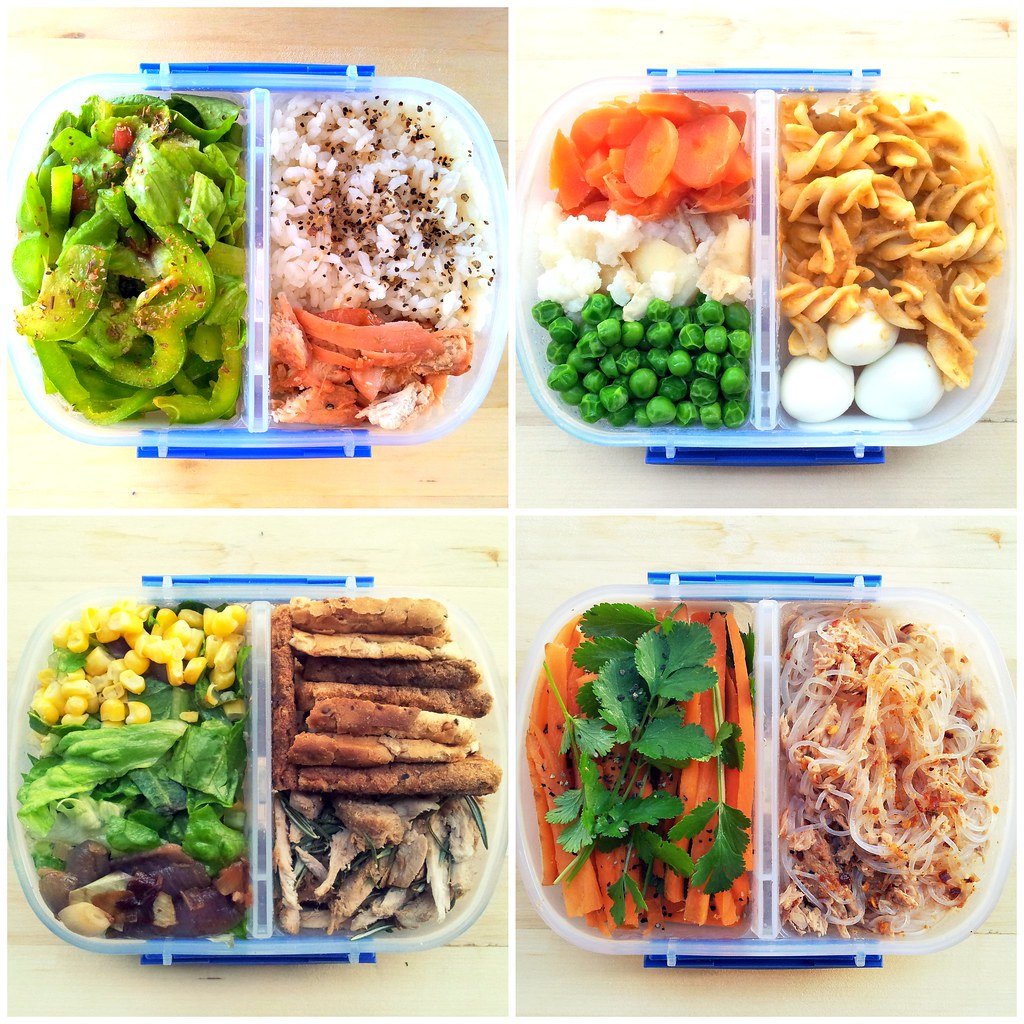
High protein lunches for kids work best when they are simple, familiar, and easy to pack. Most parents do not need a perfect Pinterest lunchbox. They need reliable combinations that hold up until lunch and actually come home eaten instead of untouched.
For a familiar chicken option that can also work in a lunchbox, these high-protein air fryer chicken nuggets are easy to pair with fruit or vegetables.
A simple formula for lunchbox protein
- Choose one main protein your child already accepts.
- Add one easy carb and one fruit or veggie.
- Keep textures separate when that matters.
- Repeat successful lunches more often instead of chasing novelty.
For many families, it can help to repeat lunches that reliably get eaten instead of chasing novelty every day. A familiar lunch that works is often more useful than a creative lunch that comes home untouched.
The five ideas, with rough protein estimates
Turkey and cheese roll-ups — estimated protein: roughly 15g, depending on the amount of turkey and cheese used.
Greek yogurt lunchbox — estimated protein: roughly 15–18g from a 3/4 cup portion of yogurt plus a cheese stick.
Chicken pasta salad — estimated protein: roughly 18–20g from 3 oz of chicken mixed into the pasta.
Seed butter sandwich — estimated protein: roughly 10–12g from 2 tablespoons of sunflower seed butter.
Mini meatballs with fruit and crackers — estimated protein: roughly 15g from 4–5 small meatballs.
These are rough estimates meant to give a sense of scale, not a target to hit exactly — appetite and age vary enough that matching a specific number matters less than offering a real protein source consistently.
Two more lunch ideas
Cheese and cracker box with fruit — cubed cheese, whole-grain crackers, and grapes or apple slices in a divided container. A quick option for mornings that are already behind schedule.
Hard-boiled egg and veggie box — a peeled hard-boiled egg, cucumber or carrot sticks, and a small handful of crackers. Works well for kids who prefer to eat components separately rather than a combined dish.
Allergy-friendly protein options
School lunch rules matter. Sunflower seed butter, cheese, yogurt, beans, roasted chickpeas, chicken, turkey, and hard-boiled eggs can all be useful depending on the classroom rules and your child’s preferences. If the school is fully nut-free, seed butters and dairy-based proteins are often the easiest swaps.
How to prep school lunches faster
Wash produce, portion snacks, and prep one or two proteins ahead of time. Even 20 to 30 minutes on Sunday can make weekday lunch packing much less stressful. If you already prep adult lunches, adapt those ideas from high-protein lunch ideas for work or these high-protein lunchbox ideas and simplify seasoning or texture for kids.
Batch-prepping for the school week
Hard-boiling a half-dozen eggs, portioning turkey and cheese into containers, and pre-washing fruit on a Sunday can turn most weekday lunch packing into an assembly step rather than a cooking step. Mini meatballs also freeze well after cooking, so a double batch made once can cover lunches for two separate weeks.
What helps picky eaters most
Use smaller portions, keep foods separate, and lean on familiar flavors first. It also helps to rotate two or three proven lunches rather than expecting a new lunch idea to work every day of the week.
Lunchbox ideas with realistic protein anchors
Kids lunches work best when the protein is familiar and easy to eat in the time they actually have. A lunch does not need to be fancy to be useful. Choose one protein anchor, one carbohydrate, one fruit or vegetable, and one small extra that makes the box feel approachable.
- Turkey and cheese pinwheels with grapes and cucumbers.
- Greek yogurt parfait with berries, granola packed separately, and a boiled egg if your child likes them.
- Bean and cheese quesadilla wedges with salsa or guacamole in a small cup.
- Chicken pasta salad with peas and a mild yogurt dressing.
- Hummus pita triangles with cheese, carrots, and fruit.
For younger kids, smaller pieces can matter more than new recipes. Roll-ups, wedges, skewers, mini containers, and familiar dips can make the same food easier to finish.
Prep and school-day storage
Use an insulated lunch bag and ice pack for dairy, meat, eggs, hummus, and cooked leftovers. Keep crunchy foods separate from wet foods. If the school has allergy rules, adjust nut butters, dips, and packaged snacks to match the classroom policy.
Batch-prep two proteins for the week, such as chicken and yogurt cups, or turkey roll-ups and bean quesadillas. Then rotate fruits, vegetables, and dips so lunches feel a little different without rebuilding the whole plan.
FAQ
How much protein does a kid need at lunch?
Needs vary by age and appetite, so this page stays practical: include a clear protein food and enough familiar sides to make the lunch eatable.
What if lunch comes home uneaten?
Simplify first. Smaller portions, familiar foods, and one preferred dip may help more than adding extra choices.
Can these lunches be made the night before?
Most can. Pack crunchy items separately and add delicate fruit or avocado in the morning if needed.
How much protein should a school lunch have?
It depends on age and appetite, but a balanced lunch with a clear protein source is usually more important than chasing a perfect number.
What works for nut-free schools?
Seed butter, cheese, yogurt, chicken, turkey, beans, and roasted chickpeas are all useful nut-free protein options.
How do I keep lunch interesting without making mornings harder?
Rotate the main protein and swap fruit, crackers, wraps, or vegetables around it instead of rebuilding the whole lunch every day.
Is it okay if my child eats the same lunch most days?
Yes. A repetitive lunch that's actually eaten is generally more useful than a varied one that comes home untouched — rotating in a new option occasionally is enough to prevent total boredom without needing a different lunch every day.
Final note on high protein lunches for kids
The best kids lunch is not the most impressive one. It is the one that is realistic to pack, fits school rules, and gives your child a better chance of actually eating a solid midday meal.
Simple meals, a grocery list, and prep tips for weeknight cooking.