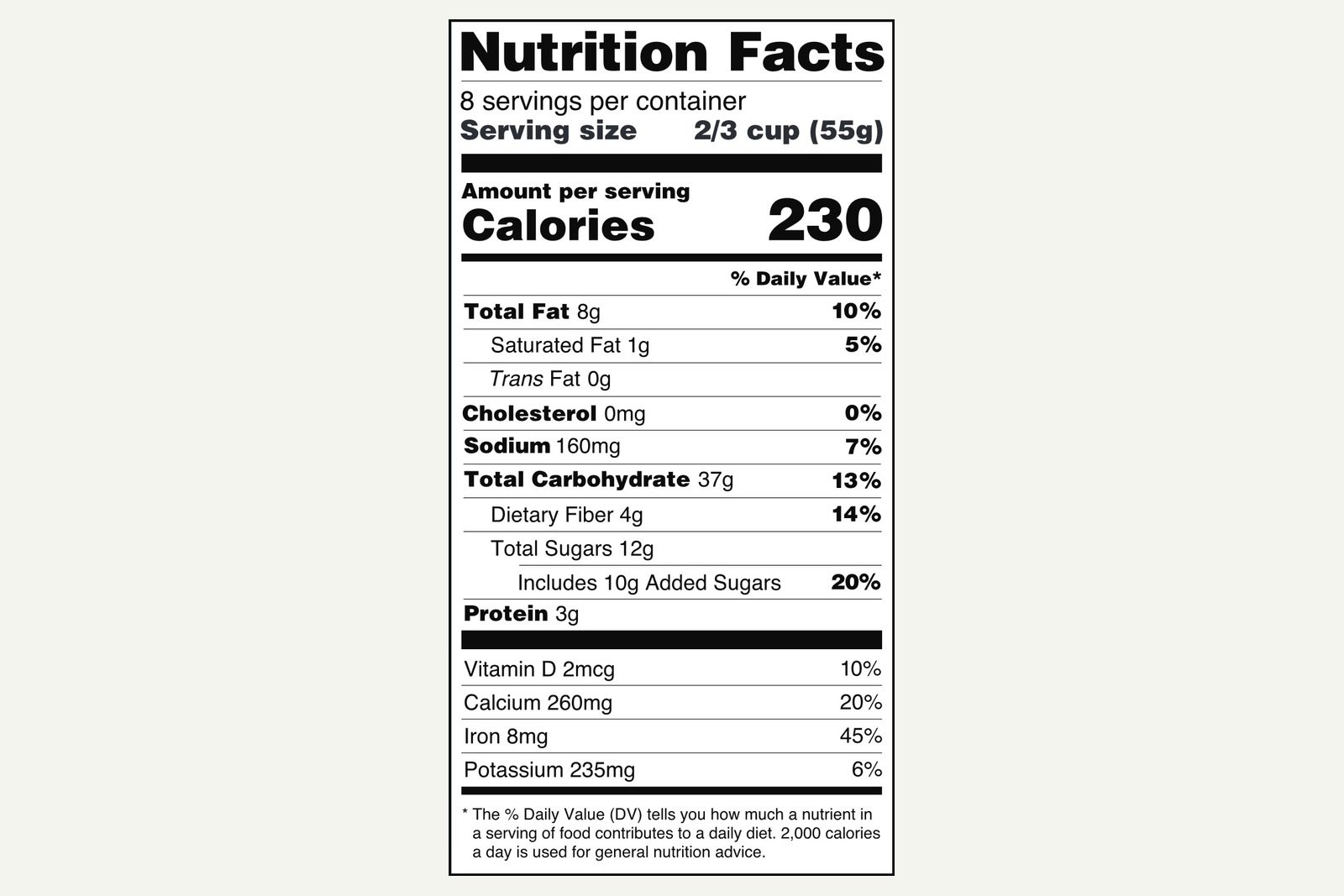
Photo credit: sylvar via Openverse, BY 2.0 (license).
Protein snacks can be useful, but the front of the package does not always tell the whole story. A bar, yogurt cup, jerky bag, cottage cheese cup, tuna pack, or protein cookie might say “high protein” in big letters, while the details that matter are tucked into the nutrition facts panel.
This guide is a practical way to read the label before you buy. It is not about finding a perfect snack or following strict food rules. It is about knowing what you are actually getting so your snack feels helpful, filling, and realistic for your day.
For more real-food snack ideas, start with 9 high-protein snacks you can make in 10 minutes, no-cook protein snacks for busy adults, and cheap protein snacks for work.
This article shares general meal ideas only, not medical or nutrition advice — if you have specific health or dietary needs, check with a qualified professional.
Start with protein per serving, not the front label
The front of a package might say “10g protein” or “protein packed,” but the nutrition facts panel tells you the actual protein per serving. Look for the serving size first, then the grams of protein listed for that serving.
A snack does not need a huge protein number to be useful. What matters is whether the protein amount makes sense for the snack size, the calories, and how filling it feels for you. A small yogurt cup, tuna pack, egg snack, cottage cheese cup, or edamame bowl can be useful even if it does not look as flashy as a packaged protein bar.
Compare protein with total calories
Protein is only one part of the label. If a snack has a protein claim but also has a lot more calories than you expected for the portion, it may be closer to a dessert, meal replacement, or treat than a small snack.
That does not automatically make it bad. It just changes how you use it. A higher-calorie protein snack might be useful when you missed lunch or need something more substantial. A lighter snack might make more sense when you just need a quick bridge between meals.
A practical check is simple: does the protein amount feel reasonable for the calories and the role you want this snack to play?
Check added sugar, especially in bars and yogurt snacks
Many sweet protein snacks use chocolate, syrups, sweetened yogurt, candy-style coatings, or flavored fillings. The added sugar line helps you see whether the snack is more like a simple protein option or more like a sweet treat with protein added.
You do not need to avoid every sweet snack. Just avoid being surprised. If a protein bar, yogurt cup, or shake has a lot of added sugar, treat it as a sweet snack and decide whether it still fits what you wanted.
For a lower-effort real-food option, Greek yogurt with fruit, cottage cheese with berries, or eggs with crackers can be easier to understand because the ingredient list is usually shorter.
Watch sodium in jerky, deli turkey, tuna packs, and savory snacks
Savory high-protein snacks can be convenient, but sodium can add up quickly. Jerky, deli turkey, tuna pouches, cheese snacks, cottage cheese, flavored edamame, and packaged egg bites can all vary a lot by brand.
If you eat packaged protein snacks often, sodium is worth checking. One salty snack may not matter much, but several salty convenience foods in the same day can stack up fast.
A practical move is to pair salty protein snacks with fresh foods when you can: cucumber, fruit, carrots, tomatoes, or a simple side salad.
Read the ingredient list for the basic story
The ingredient list does not need to be perfect, but it should make sense. A shorter list with familiar ingredients is often easier to understand. A longer list is not automatically a problem, but it can be a sign that the snack is more processed, highly flavored, or built to taste like candy while still carrying a protein claim.
Look for the main protein source. Is it Greek yogurt, cottage cheese, eggs, tuna, turkey, edamame, beans, nuts, seeds, whey, soy, pea protein, or another clear source? If you cannot tell where the protein is coming from, that is worth noticing.
Watch for serving size tricks
Some snacks sound more impressive because the serving size is smaller or different than the amount you would actually eat. A package might list protein for half a bar, a small scoop, one tiny piece, or a portion that does not match how the package looks.
Quick math check: Here is a hypothetical label-check example. If a snack lists a 50 g serving size but 54 g of protein, the protein number cannot be right because protein grams cannot exceed the total weight of the serving. If the same label showed sodium as “25 g,” that would equal 25,000 mg. Using the Canadian Nutrition Facts Daily Value of 2,300 mg sodium for adults and children age four and older, 25,000 mg would be over 1,000% of the Daily Value. Numbers like that may point to a unit, transcription, or printing error, so pause and check the math before trusting the claim.
Before comparing two snacks, check the serving size. If one bar lists protein for half the package and another lists protein for the whole package, the numbers are not equal.
This matters with protein cookies, bites, granola-style snacks, trail mixes, and multi-serving bags. The label may be accurate, but the front-of-package marketing can still make the snack feel more protein-forward than it really is.
Separate marketing claims from nutrition facts
Words like “clean,” “fit,” “keto,” “low carb,” “high protein,” “natural,” and “guilt-free” can sound convincing, but they are not the same as the nutrition facts panel. The useful details are still the serving size, protein, calories, added sugar, sodium, fiber, and ingredients.
A snack can have strong marketing and still be fine. A snack can also have simple packaging and be a better fit for your day. Try not to let the front label make the decision for you.
What a practical protein snack label usually looks like
A practical snack usually has a clear protein source, a serving size that matches how you will eat it, and a nutrition profile that makes sense for the moment. It does not need to be perfect, expensive, or trendy.
For example, cottage cheese with fruit, Greek yogurt with cinnamon, eggs with crackers, tuna with cucumber, edamame with seasoning, or turkey roll-ups are easy to understand because the protein source is obvious. Packaged options can also work, especially when the label is clear and the snack helps you avoid skipping food entirely.
If you want more simple combinations, use high-protein snacks that actually taste good or high-protein cottage cheese street corn dip for snack inspiration.
Quick label-reading checklist
Use this when you are standing in the grocery aisle:
- What is the serving size?
- How much protein is in that serving?
- Do the calories make sense for a snack?
- How much added sugar is listed?
- Is the sodium higher than expected?
- Can you identify the main protein source?
- Is the ingredient list clear enough for you?
- Are the package claims backed up by the nutrition facts?
The goal is not to judge every snack. The goal is to make the label less confusing.
FAQ
Are protein snacks automatically healthy?
No. “High protein” is one useful detail, but it does not tell you everything. Serving size, calories, added sugar, sodium, ingredients, and how the snack fits your day all matter too.
Should I avoid protein bars?
Not necessarily. Protein bars can be convenient. Just read the label so you know whether the bar is acting more like a snack, a sweet treat, or a small meal replacement.
What should I check first on a protein snack label?
Start with serving size, then protein per serving. After that, check calories, added sugar, sodium, and the ingredient list.
Are whole-food protein snacks better than packaged snacks?
Whole-food snacks are often easier to understand, but packaged snacks can still be useful. The best option is the one that is practical, clear on the label, and works for your real day.
Helpful packing note: For label-friendly snacks you portion yourself, meal-prep containers can make yogurt, cottage cheese, fruit, nuts, and crackers easier to bring along without relying only on packaged bars.
Simple meals, a grocery list, and prep tips for weeknight cooking.