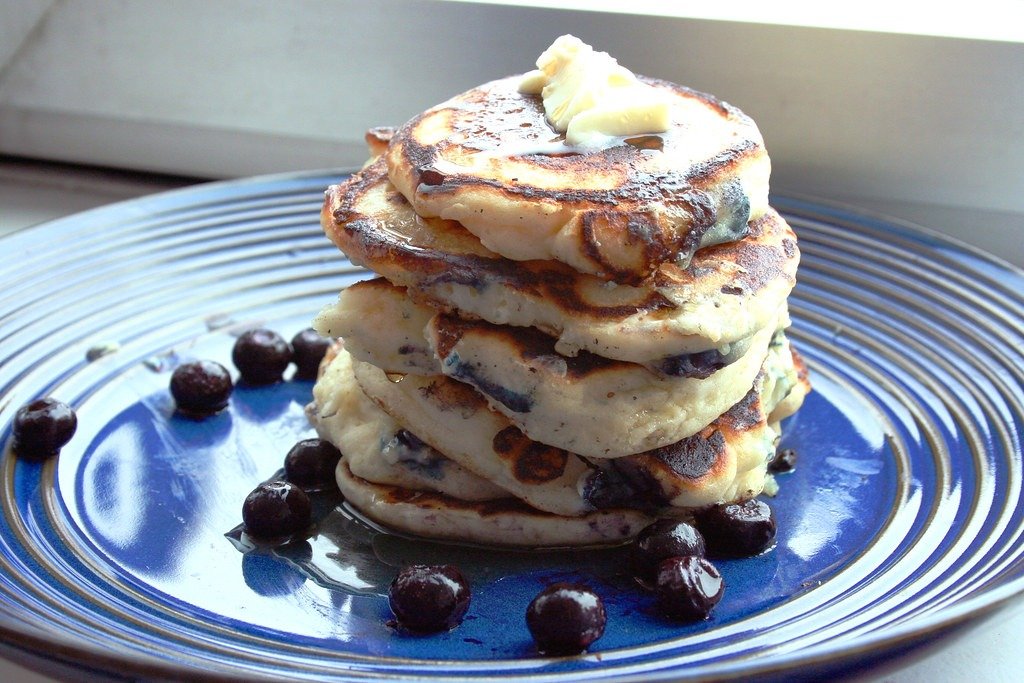
Easy high-protein pancakes are one of the few breakfasts that can feel familiar, filling, and still realistic on a weekday. The goal is not to make perfect diner pancakes. It is to make a batter that comes together fast, cooks reliably, and gives you a breakfast that is more satisfying than toast or cereal alone.
Why high-protein pancakes are useful
Pancakes work well when you want a warmer breakfast but still need something simple. With the right mix of eggs, yogurt, oats, cottage cheese, or protein-rich dairy, they can be soft, practical, and easy to repeat without turning breakfast into a project.
Simple ingredients that work well
- Eggs
- Greek yogurt or cottage cheese
- Oats or oat flour
- Banana if you want natural sweetness
- Baking powder, cinnamon, or vanilla for easier flavor
The best weekday batter is usually one you can blend or mix in one bowl and cook right away. If the batter is too thick, loosen it with a little milk. If it is too loose, let it rest for a minute so the oats can absorb some liquid.
How to keep pancakes from feeling dry
Dry pancakes usually come from too much powder, too much heat, or trying to force a “healthy” batter that has no real moisture. Yogurt, cottage cheese, banana, and a moderate pan temperature help a lot. You want them cooked through, not overcooked.
Topping ideas that stay practical
- Greek yogurt and berries
- Peanut butter and banana
- Cinnamon apples
- A small amount of maple syrup plus extra yogurt on the side
If you want the meal to stay more filling, keep a real protein topping involved instead of only using syrup.
Meal prep and freezer notes
These pancakes also work well for batch cooking. Make extra, cool them fully, and freeze in layers so they do not stick together. Reheating in a toaster or skillet usually keeps the texture better than a long microwave session.
A reliable pancake method
High-protein pancakes can be tender or rubbery depending on how the batter is handled. Start with a small batch, mix just until combined, and let the batter rest for 5 minutes. Oats, Greek yogurt, cottage cheese, eggs, milk, and protein powder all thicken differently, so the best batter is pourable but not watery.
- Blend cottage cheese or oats if you want a smoother pancake.
- Cook on medium heat, not high, so the center sets before the outside gets too dark.
- Flip once the edges look set and bubbles appear across the surface.
Try banana oat pancakes with Greek yogurt, cottage-cheese pancakes with berries, chocolate protein pancakes with peanut butter, or savory pancakes with cottage cheese and herbs. For busy mornings, cook a double batch and refrigerate or freeze the extras.
Storage, reheating, and swaps
Refrigerate pancakes for 3 to 4 days or freeze them in a single layer before moving to a freezer bag. Reheat in a toaster, skillet, oven, or microwave. The toaster gives the best quick texture; the microwave is fastest but softer.
If you do not use protein powder, add protein with Greek yogurt, cottage cheese, eggs, milk, or a higher-protein flour blend. If the batter gets too thick, loosen it with a tablespoon of milk at a time.
FAQ
Why are my protein pancakes dry?
Too much protein powder, too much heat, or overcooking can make them dry. Use moderate heat and keep the powder amount reasonable.
Can I make the batter the night before?
Some batters thicken a lot overnight. It is usually better to mix dry ingredients ahead and add wet ingredients in the morning.
Can I freeze high-protein pancakes?
Yes. Freeze flat, then reheat from frozen in a toaster or oven for a quick breakfast.
Variations
Banana protein pancakes — mash half a ripe banana into the wet ingredients before mixing in the dry. Adds natural sweetness and a softer texture.
Chocolate chip pancakes — fold 2 tablespoons mini chocolate chips into the batter right before cooking. A reasonable weekend version without changing the base recipe.
Blueberry pancakes — fold in 1/2 cup fresh or frozen blueberries. If using frozen, add them straight from the freezer to avoid streaking the batter purple.
The full recipe
For a batch of about 8 medium pancakes: whisk 1 cup cottage cheese or plain Greek yogurt with 2 large eggs until mostly smooth, either in a blender or by hand. Stir in 1 cup oat flour, 1 teaspoon baking powder, 1/2 teaspoon cinnamon, and a pinch of salt. Let the batter rest for 5 minutes so the oats can absorb some liquid, then thin with a splash of milk if it’s thicker than you’d like. Cook on a lightly greased skillet or griddle over medium heat, about 2–3 minutes per side, flipping once bubbles form on the surface and the edges look set.
Estimated protein: using these quantities, the full batch comes to roughly 55–60g of protein, or about 7g per pancake across 8 pancakes — more if you’re using cottage cheese, which runs slightly higher in protein than Greek yogurt.
Simple meals, a grocery list, and prep tips for weeknight cooking.