High protein snacks for kids are tricky in a way adult snacks are not. A snack can be perfectly reasonable on paper and still come home untouched because it got soggy, looked weird by recess, smelled too strong, or felt too much like a parent project.
Snack time can stay simple. Many workable high-protein snacks for kids are familiar first and nutritious second: cheese with something crunchy, yogurt with a fun dipper, roll-ups sliced into bite-size pieces, or a small snack box that feels like something they chose.
This guide is snack-specific. If you need full lunchbox combinations, start with High Protein Lunches for Kids: Easy Lunchbox Ideas. The ideas here are smaller: lunchbox add-ons, school snack packs, and after-school bites that help kids get something more filling without turning food into a fight.
For the days when breakfast needs to move just as quickly, these five-minute school breakfast ideas fit the same no-pressure routine.
No diet talk. No "sneaky" hidden vegetables. No trying to trick kids into eating food they already know they do not like. Just genuinely tasty snacks that happen to bring some protein along with them. If you are also packing snacks for yourself, keep those adult-focused ideas separate from this kid snack plan; EPK already has a broader guide to high-protein snacks that actually taste good, plus quick adult ideas in 9 high-protein snacks you can make in 10 minutes.
What makes a school snack actually work?
A good school snack for kids has to do more than check a nutrition box. It has to survive the real world: backpacks, short snack breaks, classroom allergy rules, picky texture preferences, and kids who may only have a few minutes to eat.
A useful snack usually has five things going for it:
- It is small enough to finish. Snack time is not lunch. Smaller portions are less intimidating and more likely to be eaten.
- It uses familiar flavors. Back-to-school week is not the best time to introduce five brand-new foods at once.
- It is not too messy. If it drips, leaks, or needs too much help, it may not work well at school.
- It holds up until snack time. Keep crunchy foods separate from dips and wet ingredients.
- It follows school rules. Nut-free classrooms, dairy restrictions, and individual allergy plans matter more than any recipe idea.
Think of these snacks as little anchors. They are not meant to replace a meal. They are meant to make snack time a bit more satisfying while still feeling normal to a kid.
The simple kid-snack formula
For most school snacks, use this formula. It keeps high protein snacks for kids simple without turning snack time into a nutrition lecture:
Protein anchor + fun crunch or dipper + fruit or vegetable if it fits
That could look like:
- cheese cubes + crackers + grapes
- Greek yogurt dip + pretzels + strawberries
- turkey roll-up coins + mini pita triangles
- sunflower seed butter dip + apple slices + graham crackers
- mini meatball bites + a small dip cup
The protein anchor is the filling part. The crunch or dipper is the fun part. The fruit or vegetable is optional, not a battle. If your child eats the protein and the dipper, that still counts as a useful snack.
Use these as snack add-ons, not the whole lunch
This article is not trying to rebuild the entire lunchbox. These ideas work best as:
- morning school snacks
- lunchbox add-ons
- after-school snacks
- sports-practice snacks when refrigeration is available
- small bites for kids who get hungry before dinner
If you pack one of these inside a lunchbox, keep it small and pair it with the rest of lunch separately. For full lunch combinations, use the kids lunch guide linked above.
Recipe card: 8 high-protein snacks kids actually want to eat
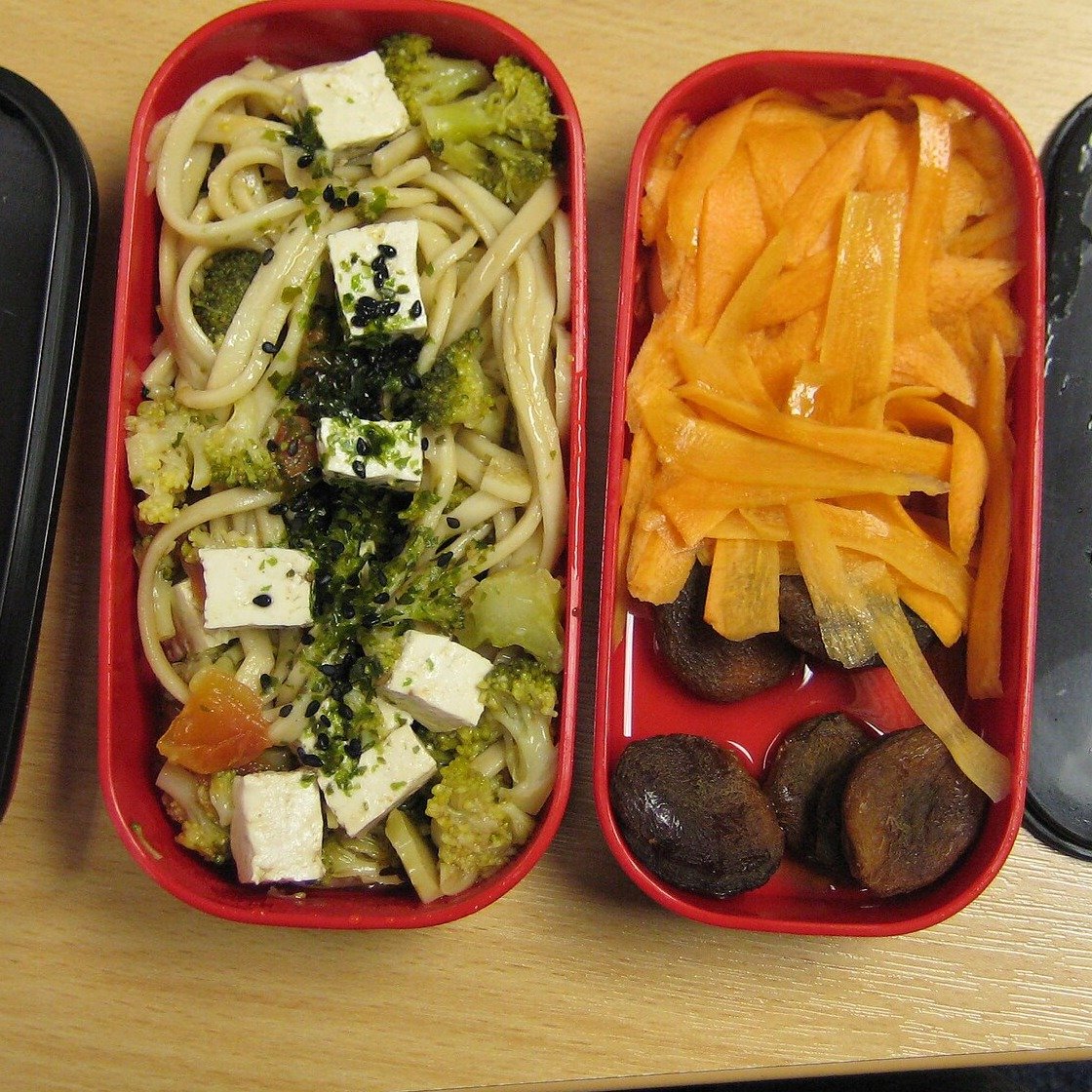

8 High-Protein Snacks Kids Actually Want to Eat
Ingredients
Equipment
Method
- Pack the pita or crackers dry. Add mozzarella and turkey pepperoni in a separate section. Keep marinara in a small sealed dip cup so nothing gets soggy.
- Stir the yogurt with honey or maple syrup if using. Pack berries on top or on the side. Keep granola or cereal separate until snack time so it stays crunchy.
- Lay the meat slices flat. Add cheese and a thin spread if using. Roll tightly, then slice into small coins. Pack with crackers or pita triangles if your child likes a crunch.
- Pack sunflower seed butter in a small dip cup. Add apple slices and graham crackers or pretzels in separate sections. Sprinkle apples lightly with cinnamon if your child likes it.
- For older kids, thread ingredients onto short blunt picks if your school allows them. For younger kids or stricter classrooms, pack everything deconstructed in a divided container instead.
- Heat oven to 350°F. Whisk eggs with cottage cheese or Greek yogurt until mostly smooth. Stir in cheese, optional vegetable, and salt. Pour into greased mini muffin cups or a small greased baking dish. Bake 12 to 16 minutes, until set. Cool completely, then cut into small squares if using a baking dish.
- Pack cooked meatballs chilled with an ice pack, or warm in a thermos if your child prefers them hot and the school setup allows it. Keep dip separate.
- Blend until smooth. Pour into a chilled small thermos. Keep cold until snack time.
Notes
Photo: Boon Trunk Snack Box elephant preschool lunch with hummus sandwich and cute cheddar cheese by anotherlunch.com, licensed under BY 2.0.
Nut-free and school-safe swaps
School snack rules can change by classroom, so treat every idea as flexible. For general allergy-management context, Food Allergy Research & Education has a helpful overview of managing food allergies at school. If nuts are not allowed, sunflower seed butter is often useful, but only if your school permits it. Some schools avoid all butter-style spreads because teachers cannot easily tell peanut butter from seed butter.
Helpful swaps:
- Use sunflower seed butter instead of peanut butter, if allowed.
- Use cheese, yogurt, turkey, chicken, eggs, beans, or chickpeas where they fit your child's preferences and school rules.
- Use pretzels, pita triangles, graham crackers, rice cakes, or cereal as dippers.
- Use hummus only if your child already likes it and the classroom allows sesame/tahini ingredients.
- Use lactose-free yogurt or cheese if dairy is an issue for your child.
The best school-safe snack is the one that fits the actual classroom rules, not the one that looks best in a recipe roundup.
What to do when a snack comes home untouched
An untouched snack does not mean you failed. It usually means something about the snack did not work in that setting.
Try asking simple, non-loaded questions:
- Was it too messy?
- Did it get soggy?
- Was there not enough time?
- Did it smell weird by snack time?
- Would you rather have it in smaller pieces?
- Would you eat it at home but not at school?
Then adjust one thing at a time. Keep the dip separate. Make the portion smaller. Swap the cracker. Use a familiar flavor. Let your child pick between two parent-approved options.
Try not to turn snack rejection into a lecture. A low-pressure reset — changing one detail and trying again another day — is usually more practical than treating one untouched snack as a failure.
A simple back-to-school snack prep plan
You do not need eight different snacks ready every week. That is too much for most parents and too much novelty for many kids.
Start with this:
- Pick two protein anchors for the week, such as Greek yogurt and cheese, or turkey and egg bites.
- Pick two fun dippers or crunches, such as pita triangles, pretzels, crackers, cereal, or graham crackers.
- Pick two fruits or vegetables your child already accepts.
- Pack the same winning snack more than once.
- Try only one newer snack at a time.
Small divided containers help keep textures separate. If you are choosing containers, this meal prep container guide can help with practical sizes and materials.
Quick packing tips that prevent snack rejection
- Keep dips in leakproof cups.
- Keep crunchy foods dry until snack time.
- Cut bigger foods into small, easy pieces.
- Use an ice pack for dairy, meat, eggs, yogurt, and smoothies.
- Avoid very strong smells unless your child specifically likes them.
- Pack tiny portions of new foods next to familiar foods.
- Practice new containers at home before sending them to school.
A snack that is easy to open matters more than a snack that looks impressive. If you want more general snack inspiration after building your child's school rotation, browse the full Snacks collection, but keep this back-to-school version focused on kid-sized portions and school rules.
Final note: make it tasty first
Kids do not need high-protein snacks to feel like a health lesson. They need snacks that taste good, feel normal, and are easy to eat in the middle of a busy school day.
If your child loves yogurt dunk cups, repeat them. If cheese and crackers come home eaten every time, that is useful. If a mini meatball snack works better after school than during school, keep it for after school.
The goal is not perfect variety or a flawless lunchbox. It is a small rotation of snacks your child will actually eat — the kind that helps back-to-school weeks feel a little less chaotic for everyone.
FAQ
What are good high-protein snacks for kids at school?
Good high-protein school snacks for kids include cheese and crackers, Greek yogurt dip cups, turkey roll-up coins, sunflower butter apple dippers if allowed, mini egg-bite squares, and mild meatball dunkers. The best option depends on your school's allergy rules and what your child will actually eat.
How much protein does a kid snack need?
Most parents do not need to chase an exact protein number for snack time. A clear protein source, such as yogurt, cheese, eggs, turkey, chicken, beans, or seed butter, is usually more practical than focusing on a specific gram target. If your child has medical or nutrition needs, ask a qualified professional.
What high-protein snacks are nut-free for school?
Nut-free options can include Greek yogurt, cheese, turkey roll-ups, chicken pieces, egg bites, roasted chickpeas, beans, cottage cheese, and sunflower seed butter if your school allows it. Always check classroom allergy rules first.
How do I get my child to try a new protein snack?
Start with a tiny portion next to a familiar food. Keep textures separate, avoid pressure, and let your child choose between two options when possible. If the snack comes home untouched, adjust one thing instead of replacing the whole idea.
Can these snacks replace lunch?
No. These are snack-sized ideas, not full lunches. Use them as school snacks, lunchbox add-ons, or after-school bites. For full lunchbox combinations, use EPK's kids lunch guide.
Simple meals, a grocery list, and prep tips for weeknight cooking.