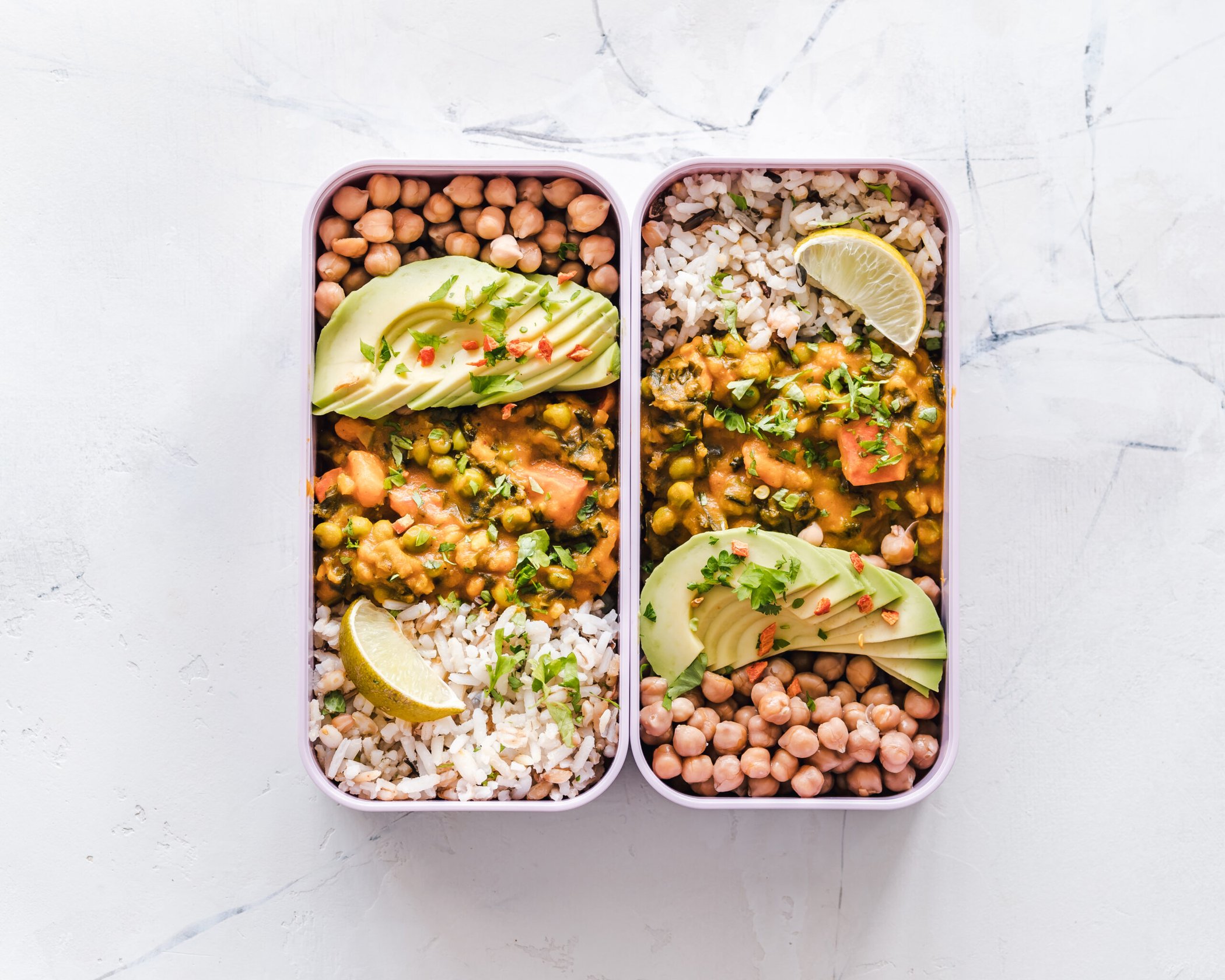
Meal prep containers matter more than most people expect. The right set makes leftovers easier to store, lunches easier to grab, and meal prep far more likely to become a habit instead of a one-week project.
What actually matters when choosing meal prep containers
- A lid that seals well.
- A size that matches the meals you really eat.
- A shape that stacks cleanly in your fridge.
- A material you will not hate washing and reheating.
You do not need a giant matching set on day one. A small, practical system is usually enough: a few larger lunch containers, a few smaller snack containers, and one or two leak-resistant jars or round tubs for soups, sauces, or overnight oats.
A small starter setup that fits those jobs can include Rubbermaid Brilliance glass food storage containers or another set of glass containers with locking lids, OXO Good Grips leakproof dressing containers for sauces, an PackIt freezable insulated lunch bag for packed lunches, and a simple Brother P-touch label maker if you like dating leftovers before they go into the fridge.
Glass vs plastic vs stainless steel
Glass is best if you reheat often, want less staining, and like a cleaner feel. It is heavier, but it handles sauces and meal prep bowls very well.
Plastic is lighter, cheaper, and easier for work bags or kids lunches. It is a good fit if portability matters more than aesthetics.
Stainless steel is durable and great for cold meals, but less convenient if you rely on a microwave.
The most useful sizes for real-life meal prep
For lunches and dinners, containers in the 2 to 4 cup range usually work best. For snacks, yogurt bowls, cut fruit, or sauce components, smaller containers are more useful than oversized ones that leave food sliding around.
Best container setups for high-protein meals
If you prep bowls with protein, carbs, and vegetables, a divided container can help with texture and presentation. If you mostly make one-bowl meals like chili, pasta salad, or chicken and rice, a simple single-compartment container is usually better and easier to clean.
Mason jars are still useful for grab-and-go lunches and breakfasts. They work especially well with protein-packed mason jar meals or make-ahead oat and yogurt combinations.
A practical buying strategy
Start with one week of your actual food in mind, not your aspirational food. If you mostly prep wraps, salads, pasta, and leftovers, buy for those meals first. People often overspend on specialty containers and still end up using the same four containers all week.
Easy maintenance tips
Rinse containers soon after use, keep lids paired, and replace only the pieces that stop sealing properly. If tomato sauces stain plastic badly, reserve those containers for darker foods or switch your main meal containers to glass.
How to choose containers without overcomplicating meal prep
Meal prep containers do not need to be fancy, but they should match the food you actually make. A good set helps with portioning, storage, reheating, and keeping textures separate. If your lunches include salads, sauces, snacks, and reheated dinners, one container style usually is not enough.
- Use glass or microwave-safe containers for meals you reheat often.
- Use lighter plastic containers for cold snacks, lunches, or commuting.
- Use small leakproof cups for sauces, dips, nuts, seeds, and crunchy toppings.
For bowls and leftovers, a 3- to 4-cup rectangular container is usually the most useful size. For snack boxes or kids lunches, divided containers can help keep wet and dry foods apart. For soups and stews, choose jars or locking containers that are genuinely leak-resistant.
Cleaning, labeling, and storage habits
Label containers with the date when you are prepping several meals at once. Let hot food cool slightly before sealing, then refrigerate promptly. Avoid microwaving lids unless they are clearly marked as microwave-safe, and replace containers that become warped, cracked, or difficult to close securely.
FAQ
Are glass containers better than plastic?
Glass containers are better for reheating, stain resistance, and long-term durability. Plastic containers are lighter, cheaper, and easier to carry. Many kitchens benefit from both: glass for reheated meals at home and sturdy BPA-free plastic for lunches, snacks, and commuting.
How many containers do I need?
Start with enough for 3 to 4 lunches, 2 larger leftover containers, and a few small sauce cups. That usually gives one person enough flexibility without filling the cabinet with pieces they rarely use.
Do divided containers help?
They help when texture matters, especially for dips, fruit, crackers, salads, and lunchbox-style meals. For saucy bowls, leftovers, chili, or pasta salad, a simple single-compartment container is usually easier to pack and clean.
How many meal prep containers do you actually need?
For one person, 5 to 8 main containers plus a few small extras is usually enough. They cost more up front but are often the easiest long-term choice if you reheat meals often and want containers that last.
What containers work best for lunches?
For lunches, choose containers that seal well, stack neatly, and fit the meals you actually pack. Families may need more, but the principle is the same: buy for your real routine. Single-compartment containers work well for bowls and leftovers, while divided containers help when you want to keep crunchy, wet, or snack-style items separate.
Final note on meal prep containers
The best meal prep containers are the ones you will use every week. Start small, choose sizes that match your real meals, and add pieces only when you know what your routine is missing.
Simple meals, a grocery list, and prep tips for weeknight cooking.
1 thought on “Meal Prep Containers 101: What to Buy and Use”