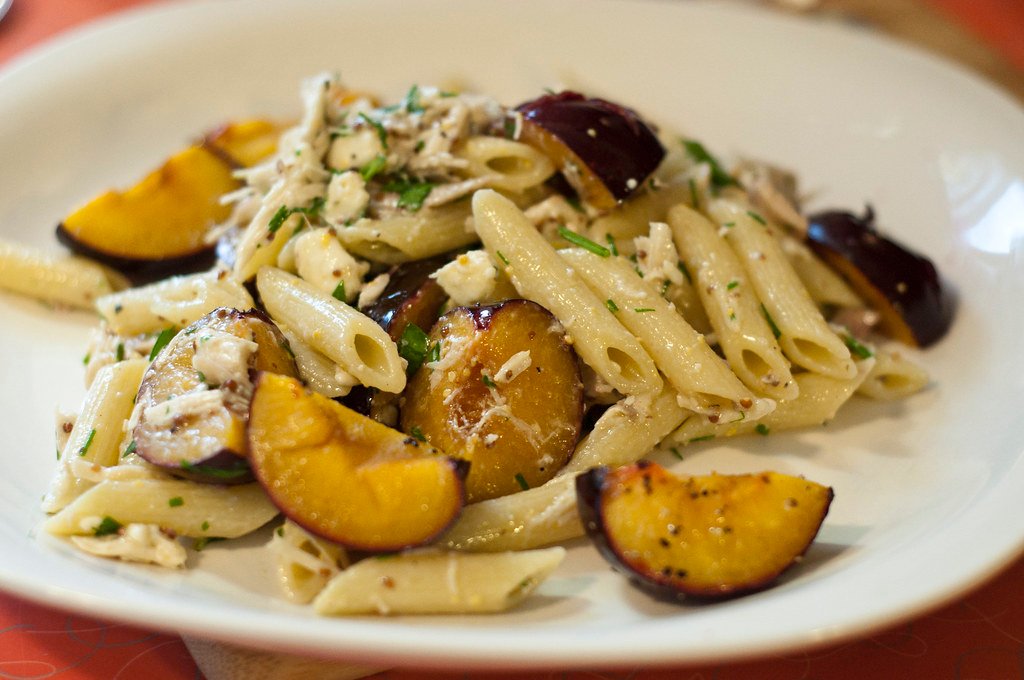
Pasta salad doesn’t have to be a carb-heavy side dish that leaves you hungry an hour later. With a few smart ingredient swaps and additions, you can turn this classic into a satisfying, protein-packed lunch that actually keeps you full through your afternoon meetings. For a simple nutrition refresher, Healthline has a helpful overview of why protein matters for fullness and everyday meals. For leftovers and work lunches, glass meal prep containers like these help keep portions organized and easy to reheat.
This high protein pasta salad comes together in under 30 minutes, travels well to the office, and tastes even better the next day. Whether you’re meal prepping for the week or need a quick lunch that won’t slow you down, this recipe has you covered.
Ingredients for High Protein Pasta Salad
The secret to a truly satisfying pasta salad is balancing your carbs with plenty of protein and vegetables. Here’s what you’ll need:
**Pasta Base:**
8 oz high protein pasta (chickpea, lentil, or whole grain)
Alternatively, use regular pasta and just add more protein
**Protein Options (choose one or mix):**
2 cups cooked chicken breast, diced
2 cans tuna, drained
1.5 cups chickpeas, drained and rinsed
1.5 cups white beans
8 oz cubed mozzarella or feta cheese
**Fresh Vegetables:**
1 cup cherry tomatoes, halved
1 bell pepper, diced
1 cucumber, chopped
1/2 red onion, finely diced
Optional: olives, artichoke hearts, or sun-dried tomatoes
**Dressing:**
1/4 cup olive oil
2 tablespoons red wine vinegar or lemon juice
1 teaspoon Dijon mustard
2 cloves garlic, minced
Salt, pepper, and Italian seasoning to taste
**Fresh Herbs:**
1/4 cup fresh basil or parsley, chopped
Protein varies by the option you choose: chicken or tuna versions can land around 25-30 grams per serving, while bean- or cheese-based versions may be lower unless you increase the portion or combine protein sources. If you’re looking for more high protein lunch ideas for work, mixing up your protein sources throughout the week keeps things interesting.
Step-by-Step Instructions
**Step 1: Cook the Pasta**
Bring a large pot of salted water to a boil. Cook your pasta according to package directions, but aim for al dente—it’ll hold up better when mixed with the other ingredients. Drain and rinse under cold water to stop the cooking process and cool it down quickly.
**Step 2: Prepare Your Protein**
If you’re using chicken, this is a great time to use rotisserie chicken or leftovers from dinner. Just dice it up into bite-sized pieces. For tuna, simply drain the cans well. If you’re going the vegetarian route with chickpeas or beans, give them a good rinse and pat them dry.
Want to batch cook protein for the week? Check out these chicken and rice meal prep bowls for tips on cooking chicken in bulk.
**Step 3: Chop Your Vegetables**
While the pasta cools, chop all your vegetables into similar-sized pieces. This isn’t just for looks—uniform pieces mean every bite has a good mix of flavors and textures.
**Step 4: Make the Dressing**
In a small bowl or jar, whisk together the olive oil, vinegar, Dijon mustard, minced garlic, and seasonings. Taste and adjust—you want it slightly more acidic than you think because the pasta will absorb some of that tanginess.
**Step 5: Combine Everything**
In a large bowl, toss together the cooled pasta, protein, vegetables, and fresh herbs. Pour the dressing over everything and mix well. Make sure the dressing coats everything evenly.
**Step 6: Chill and Serve**
For the best flavor, cover and refrigerate for at least 30 minutes before serving. This gives the pasta time to soak up the dressing and lets all the flavors blend together. The salad will keep in the fridge for up to 3 days.
Nutritional Benefits
This isn’t your typical mayo-heavy pasta salad that sits like a brick in your stomach. Here’s why this version works better for busy adults:
**Sustained Energy:** The combination of complex carbs from pasta and protein from your chosen source means steady energy without the crash. You won’t be raiding the vending machine by 3 PM.
**Fiber Content:** Using whole grain or legume-based pasta adds extra fiber, and the vegetables contribute even more. That extra fiber helps keep you feeling satisfied longer.
**Customizable Nutrition:** Need more protein? Add an extra can of tuna or some hard-boiled eggs. Want fewer carbs? Use half the pasta and double the chickpeas. This recipe adapts to whatever your body needs.
**Meal Prep Friendly:** Unlike some lunches that get soggy or sad-looking by day three, pasta salad actually improves with time. The flavors develop and everything stays crisp if you store it properly.
Variations and Tips
**Go Gluten-Free:** Swap regular pasta for gluten-free pasta, or skip pasta entirely and use quinoa or cooked lentils as your base. You’ll still get that satisfying, substantial feel without the gluten.
**Try Different Dressings:** Not a fan of vinaigrette? Use a Greek yogurt-based dressing for extra protein and a creamy texture. Mix plain Greek yogurt with lemon juice, garlic, and dill for a lighter take on creamy pasta salad.
**Add Crunch:** Toss in some toasted pine nuts, sliced almonds, or sunflower seeds right before serving. They add texture and healthy fats that make the salad more filling.
**Spice It Up:** Add red pepper flakes, jalapeños, or a dash of hot sauce to the dressing if you like heat. Or go Mediterranean with kalamata olives, feta, and oregano.
**Make It Vegan:** Use chickpeas or white beans as your protein, skip the cheese, and stick with the oil-based dressing. You’ll still hit your protein goals without any animal products.
**Pack It Smart:** If you’re taking this to work, pack the dressing separately and toss it together right before eating. This keeps everything fresh and prevents the pasta from absorbing too much dressing.
Frequently Asked Questions
**How can I make this pasta salad vegetarian?**
Use chickpeas, white beans, or tofu as your protein source and skip any meat. You can also add extra cheese like cubed mozzarella or crumbled feta for additional protein. Edamame is another great vegetarian protein option that works well in pasta salad.
**Can I meal prep this salad?**
Absolutely. This pasta salad stores well in the fridge for up to 3 days. In fact, it often tastes better on day two after the flavors have had time to blend. Just keep it in an airtight container and give it a quick stir before serving.
**What type of pasta is best for high protein?**
Legume-based pastas made from chickpeas, lentils, or black beans pack the most protein—usually around 13-15 grams per serving. Whole grain pasta is a solid middle ground with more protein than regular pasta. Even regular pasta works fine if you’re adding plenty of other protein sources.
**How do I make it gluten-free?**
Use any gluten-free pasta brand you like, or substitute the pasta entirely with quinoa, rice, or cooked lentils. The recipe works exactly the same way—just follow the cooking instructions for whatever base you choose.
Make This Your Go-To Lunch
This high protein pasta salad proves that eating well doesn’t have to be complicated or time-consuming. With basic ingredients and minimal cooking, you’ve got a lunch that works for your schedule and actually tastes good.
Ready to simplify your meal planning? Get more easy, protein-packed recipes delivered straight to your inbox.
Get the free 3-Day High-Protein Meal Prep Starter
Simple meals, grocery list, and prep tips for busy weeks.
Simple meals, a grocery list, and prep tips for weeknight cooking.
For more simple protein ideas, try High Protein Tuna Wrap and High Protein Egg Salad next.
Protein Pasta Salad Combos and Storage Notes
This style of pasta salad works especially well for busy adults who want a cold lunch, a potluck-friendly side that still has protein, or a meal-prep container that does not need reheating.
Protein-combo ideas: tuna with white beans, turkey with cheddar and peas, or chickpeas with feta all work well with a sturdy pasta base and crunchy vegetables.
Storage nuance: rinse the cooked pasta so it does not clump, toss it with dressing before refrigerating, and add watery vegetables such as tomatoes or cucumber last when you want the freshest texture.
Simple meals, a grocery list, and prep tips for weeknight cooking.