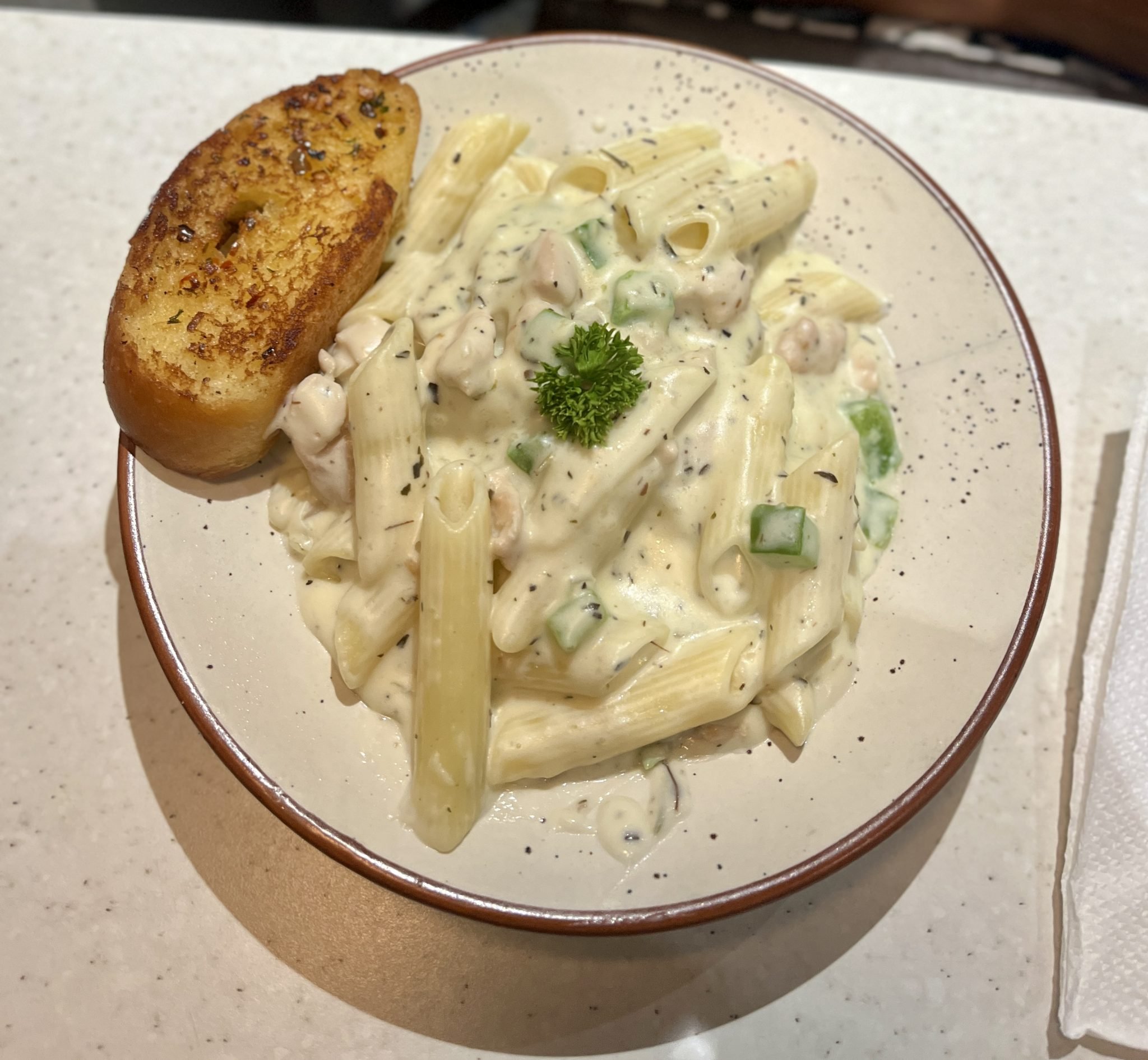
When you’re craving something creamy and satisfying but don’t want to spend an hour in the kitchen, cottage cheese alfredo pasta is your answer. This protein-packed twist on classic alfredo delivers all the comfort you’re looking for with a fraction of the effort. The best part? You probably have most of the ingredients sitting in your fridge right now.
Why Choose Cottage Cheese Alfredo Pasta?
Traditional alfredo sauce requires heavy cream, butter, and careful attention to avoid breaking the sauce. This version simplifies everything while sneaking in extra protein that actually keeps you full.
Health Benefits of Cottage Cheese
Cottage cheese brings more to the table than just convenience. A single cup packs around 25 grams of protein, making this pasta dish genuinely filling. The calcium content supports bone health, and you’re getting this nutrition without the heavy cream typically found in alfredo recipes.
The texture blends surprisingly well when heated, creating that silky consistency you expect from alfredo. Unlike some protein additions that feel forced, cottage cheese actually belongs in this sauce.
A Quick Dinner Solution
This recipe takes about 20 minutes from start to finish. That’s less time than most takeout deliveries and definitely faster than waiting in a drive-through line after work. You’ll have one pot for pasta and one pan for sauce—minimal cleanup means more time to actually relax after dinner.
If you’re looking for more options that fit this timeline, check out our collection of quick high protein dinner ideas that work on even the most hectic evenings.
Ingredients You’ll Need
Essential Ingredients
For the base recipe, gather these items:
- 12 oz pasta (any shape works, but penne or fettuccine are classics)
- 1 cup cottage cheese (full-fat blends smoothest, but low-fat works too)
- 1/2 cup pasta water (reserved from cooking)
- 1/2 cup grated Parmesan cheese
- 2 cloves garlic, minced
- 2 tablespoons butter or olive oil
- Salt and black pepper to taste
- Fresh parsley for garnish (optional)
That’s it. No specialty ingredients or last-minute grocery runs required. This recipe fits perfectly into a cheap high protein meal plan since cottage cheese costs significantly less than heavy cream.
Optional Add-Ins for Extra Flavor
Once you’ve mastered the basic version, try these additions:
- Cooked chicken breast or rotisserie chicken for extra protein
- Sautéed mushrooms for earthy depth
- Baby spinach or kale (wilts right into the hot sauce)
- Red pepper flakes for a slight kick
- Sun-dried tomatoes for tangy sweetness
- Crispy bacon bits (because bacon makes everything better)
These add-ins transform the dish from a simple weeknight dinner into something that feels more special without adding complexity.
Step-by-Step Cooking Instructions
Preparing the Pasta
Bring a large pot of salted water to a boil. Use more salt than you think you need—the water should taste like the ocean. This is your only chance to season the pasta itself.
Add your pasta and cook according to package directions, usually 8-10 minutes. Set a timer for one minute before the package says it’s done. You want it just shy of fully cooked since it’ll finish in the sauce.
Before draining, scoop out at least one cup of pasta water. This starchy liquid is the secret to making your sauce cling to every piece of pasta. Don’t skip this step—plain water won’t work the same way.
Making the Alfredo Sauce
While the pasta cooks, heat butter or olive oil in a large skillet over medium heat. Add minced garlic and cook for about 30 seconds, just until fragrant. Don’t let it brown or it’ll taste bitter.
Add the cottage cheese to the pan along with about 1/4 cup of the reserved pasta water. Stir constantly as it heats. The cottage cheese will look lumpy at first, but keep stirring. As it warms and combines with the starchy pasta water, it’ll smooth out.
For an even silkier texture, you can blend the cottage cheese in a blender For smoothies or smoother sauces, a personal blender like this one is enough for most everyday protein recipes. or food processor before adding it to the pan. This extra step isn’t necessary, but it does create a sauce that’s nearly identical to traditional alfredo.
Stir in the Parmesan cheese and let it melt into the sauce. Add more pasta water a splash at a time until you reach your desired consistency. The sauce should coat a spoon but still flow easily.
Season with salt and plenty of black pepper. Taste as you go—the Parmesan is salty, so you might need less salt than expected.
Combining and Serving
Add the drained pasta directly to the skillet with the sauce. Toss everything together, letting the pasta absorb the sauce for a minute or two over low heat. If the sauce gets too thick, add more pasta water.
The pasta should be glossy and well-coated. Each piece should have sauce clinging to it, not pooling at the bottom of the bowl.
Serve immediately, topped with extra Parmesan, fresh parsley, and another crack of black pepper. This dish is best enjoyed right away while the sauce is at its creamiest.
Leftovers will thicken in the fridge. When reheating, add a splash of milk or water and stir over low heat to bring back that creamy consistency.
Frequently Asked Questions
Can I make cottage cheese alfredo pasta ahead of time?
Yes, you can prepare the sauce in advance and store it in the fridge for up to three days. Just reheat it gently when ready to serve, adding a bit of milk or pasta water to loosen it up. Cook the pasta fresh for best results, as reheated pasta can get mushy. If you’re meal prepping, store the sauce and cooked pasta separately.
What can I substitute for cottage cheese?
You can use ricotta cheese or Greek yogurt for a similar creamy texture. Ricotta will give you a slightly sweeter, milder flavor, while Greek yogurt adds tanginess and even more protein. If using Greek yogurt, remove the pan from heat before stirring it in to prevent curdling. Both substitutes work well, though cottage cheese remains the most affordable option.
Ready to Make Dinner Easy?
This cottage cheese alfredo pasta proves that satisfying dinners don’t require complicated recipes or expensive ingredients. Give it a try tonight and see how simple weeknight cooking can be.
Get the free 3-Day High-Protein Meal Prep Starter
Simple meals, grocery list, and prep tips for busy weeks.
Simple meals, a grocery list, and prep tips for weeknight cooking.
Simple meals, a grocery list, and prep tips for weeknight cooking.
1 thought on “Delicious Cottage Cheese Alfredo Pasta for Busy Nights”